

 HOME MOVER GUIDE
Home mover mortgages
Moving home without making the mortgage harder than it needs to be.
The mortgage, your existing property, the onward purchase and the timing all need to work together. Start with the position you are in now, then work through the route that fits the move.
When you move home, there are two ordinary mortgage routes. You can take your existing mortgage with you to the new property, which is called porting, or you can pay it off when you sell and go for a new mortgage. If your buyer pulls out and you still want the new property, a bridging loan can bridge the gap until your sale goes through.
Which route makes sense depends on your early repayment charge, whether you need to borrow more, and how secure your sale is.
Start with the basics
Four things to get clear first
Before comparing routes, these are the four parts of the move that usually determine what is practical.
Your current mortgage
Is it portable, are there early repayment charges and how much is outstanding?
New borrowing
How much will you need for the onward purchase, and has your income or situation changed?
Deposit & equity
How much of the new purchase is coming from your current property and how much is already available?
Affordability
The new lender still assesses the whole case, even where your existing mortgage is portable.
Your existing mortgage
Can I take my mortgage with me?
Some mortgage products are portable and others are not. If yours is, it will tell you in the flexible features section of your mortgage illustration. On the illustration I use as an example, section 9 says you have the right to transfer the loan to another property, subject to conditions.
Porting
- If you are on a certain loan to value, what is the loan to value going to be on the new property?
- What type of property is it, and will the lender lend on that property?
- Are you looking to raise the mortgage to a different amount, so a port as well as capital raising?
New mortgage
- Being inside an early repayment charge period does not automatically rule out moving to a new lender.
- Whether it is worth it just depends on how much the charge is, what the rate is and what the savings are.
- If you don’t have an early repayment charge, paying it down and going for a new mortgage is a question to get mortgage advice on.
The reason you would port rather than just paying the mortgage off is that, in most cases, you don’t have to pay the early repayment charge. You keep the same mortgage with the same lender and move it to the new property when you sell. Whether it makes sense to port the mortgage and do a further advance or, if you don’t have an early repayment charge, to pay it down and go for a new mortgage, is a question to get mortgage advice on.
If you need to raise money as well, it is no longer a simple switch. You are saying to the lender: I want to move my mortgage to a new product, but I also need a further advance. That makes the process more complicated.
Timing and exit costs
Early repayment charges: pay, port or plan ahead
Being inside an early repayment charge period does not automatically rule out moving to a new lender. Whether it is worth it just depends on how much the charge is, what the rate is and what the savings are.
I often speak to first time buyers who want to buy to get out of the rental trap and, at the same time, want to move again shortly after. That lends itself towards products without early repayment charges.
If you think you are going to get a job somewhere else in two years’ time, or you are going to be moved on, it is vital you tell us at the start, because it changes what we look for. And if your circumstances change after you have the mortgage, for example you want to rent the property out, notify your existing lender rather than breaking the lender’s rules.
When the chain changes
If your buyer pulls out: buying before you have sold
If the sale and onward purchase no longer line up, the first question is whether timings can simply be rearranged. If they cannot, the available routes need to be assessed rather than forcing the original plan.
Sell first
Step back from the onward purchase and complete your sale before committing again.
Delay the purchase
See whether the onward transaction can be moved while the sale is put back together.
Reassess the mortgage
Review affordability, deposit and borrowing if the structure of the move has changed.
Short-term funding review
An adviser can assess whether short-term finance is appropriate rather than assuming it is the answer.
A client of ours had an offer accepted on their home and a mortgage offer on the property they were buying. Everyone was waiting in the chain, then their buyers pulled out because of a problem with their own mortgage. They were sitting in no man’s land: committed to buying the property, moving their jobs around, looking at schools for the children, and all of a sudden the whole deal had fallen through. This is the fundamental reason bridging loans were invented.
Where both are residential properties, the lender takes a charge on your existing property, the one you are going to sell, and a charge on the new property. If the loan to value stacks up, the bridging loan enables you to buy and gives you up to 12 months to sell the other property. Once you have sold, most people either pay the bridging loan off fully with the proceeds of the sale or, if there is a shortfall, take out a residential remortgage to pay the rest.
It is a much riskier strategy than selling first.
What can cause a problem
- Bridging loans are expensive.
- There are additional survey and legal costs because charges go on two properties.
- You are committing to selling within 12 months, otherwise it gets very complicated.
That is why it is usually best to take the longest term possible, so an accepted offer that falls through again does not leave you out of time. The market can also move: a property you agreed to sell for £500,000 six months ago may now be worth £475,000, so you may not benefit from selling at a lower value while buying at a higher one.
Getting a bridging loan is quite easy. Great attention has to go on how you are going to pay the lenders back.
- Are you eligible for a remortgage if there is a shortfall?
- What is your age, your income profile, your credit profile?
- What are the lender choices?
We want a plan A, plan B and plan C.
What happens if you don’t manage to sell the property: can we refinance it or convert it into a buy to let? That happens quite a lot.
Purchase costs
Check the Stamp Duty position early
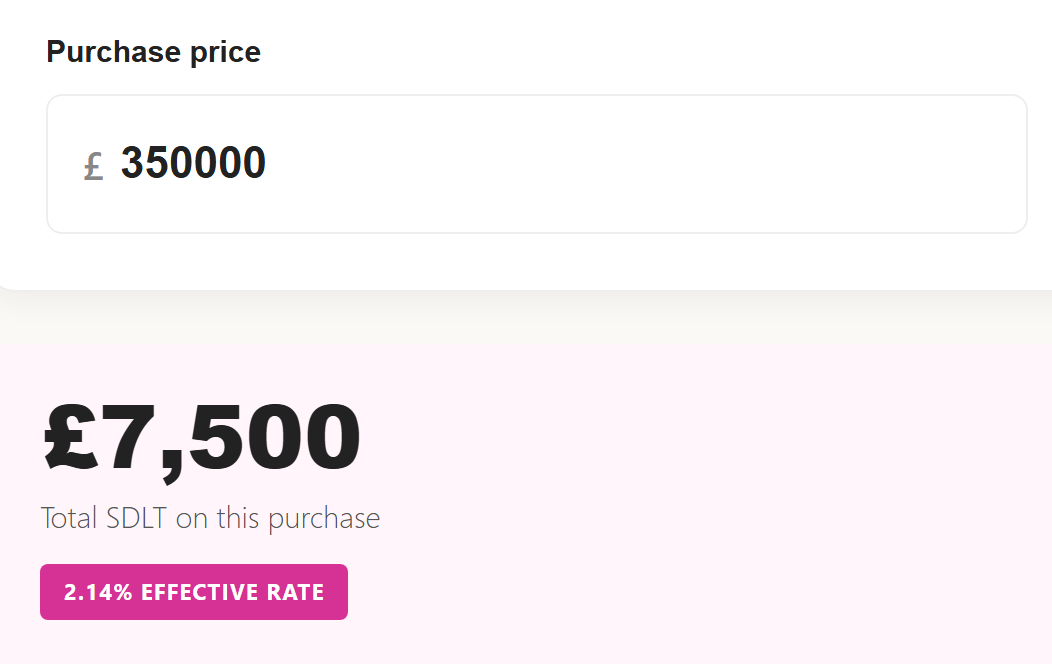
One cost people don’t often talk about is stamp duty. At the time you buy the new property you already own a property, so additional stamp duty may be due. You may be able to get a refund later, but you may need that additional money up front, either from the equity in your property or from money you have saved.
If you buy your new main home before selling your previous main home, higher SDLT rates can initially apply. You may be able to reclaim the higher-rate element if your previous main home is sold within three years and the relevant conditions are met. This applies to Stamp Duty Land Tax in England and Northern Ireland; see GOV.UK for the conditions.
An alternative to selling
Keeping your current home instead of selling
Not everyone sells.
- You could raise money on your current home and turn it into a buy to let while you buy at the same time, which is a simultaneous purchase.
- Or you could turn it into a buy to let and move in with family, or rent somewhere else yourself, rather than buying another property straight away.
Can you rent out your existing property and not purchase another one, for example to move back in with your family or into rental accommodation for a while? Yes, you can, but the choice is very limited: not many lenders will do it, and there are specific rules around how long you must be out of the property before you can turn it into a buy to let.
Read more in our let to buy mortgage guide.
Circumstances that can change the route
When your circumstances are harder to place
If one of these applies, it may change which lenders or structures are worth looking at.
A move is often not the first mortgage we have arranged for someone. We have clients whose first flat we bought with them, who came back when they moved into a house where they built up their family.
If you are self-employed, have adverse credit or are a foreign national or visa holder, our specialist guides go into how lenders assess your case:
Useful next step
Check your numbers first
Use the relevant tool to sense-check the move before deciding which route to discuss.
How much could I borrow?
Use the borrowing tool as a starting point, then discuss the assumptions that matter for your case.
Stamp Duty calculator
Check the purchase tax position for the onward property and whether an additional-property rate may initially apply.

Speak to a specialist mortgage adviser today.
UK specialist mortgage broker. Your enquiry will not affect your credit file.
This page is information, not advice — it explains the landscape, it does not recommend a product or course of action. Speak to a qualified adviser about your own circumstances.